

Your Questions and Comments
Your sales and customer service desk partners within China Amines Co will continue to serve you. You can also contact us via our headquarter office-
Email:info@chinaamines.com
China Amines Co
Product Profile
Ethylene Glycol Monoethyl Ether (2-Ethoxyethanol)
CAS No.: 110-80-5
Synonyms / IUPAC Name: Ethylene glycol monoethyl ether; 2-ethoxyethanol
Molecular Formula: C₄H₁₀O₂
Molecular Weight: 90.12 g/mol
Physicochemical Properties (Typical)
- Appearance: Clear, colourless liquid with a sweet, ether-like odour
- Melting Point: Approximately -70 °C
- Boiling Point: Approximately 135 °C
- Density: ~0.93 g/cm³ at 20–25 °C
- Solubility: Miscible with water and most organic solvents
- Flash Point: Approximately 44 °C (closed cup)
- Vapour Pressure: ~3.8 mmHg at 20 °C
- Explosive Limits: Lower ~1.8% by volume; Upper ~15.6% by volume in air
Purity & Quality Standards
- Typical Purity: ≥ 99.0% for high-grade solvent applications
- Appearance: Colourless, clear, free from visible particles or haze
- Analytical Methods: Gas chromatography and moisture content analysis
- Stability: Stable under recommended storage conditions; avoid oxidising agents and metal contamination
Applications / Uses
- Used as an industrial solvent for inks, surface coatings, lacquers, resins, and cleaning fluids
- Employed as an intermediate in chemical synthesis requiring both solvent and reactive alcohol/ether functionality
- Utilised in applications demanding both hydrophilic and lipophilic solvency due to its glycol ether structure
Safety & Handling
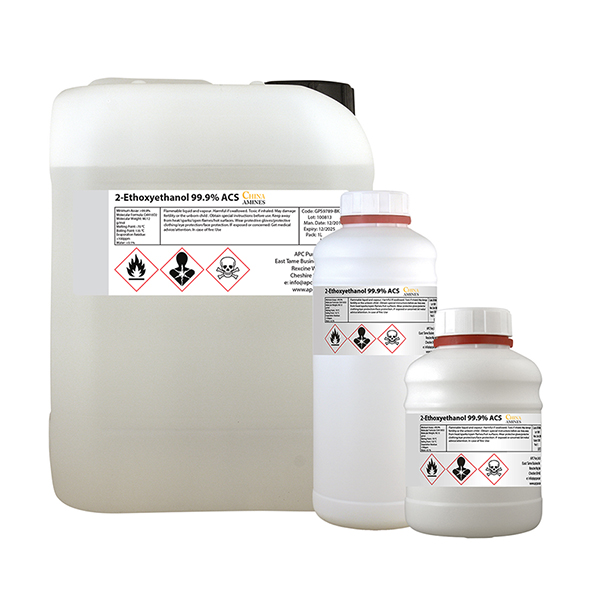
- Hazard Classification: Flammable liquid and vapour; may cause serious eye irritation and reproductive toxicity
- Health Hazards:
- Inhalation: May cause respiratory irritation, headache or dizziness
- Skin Contact: May cause irritation and can be absorbed through skin
- Eye Contact: Causes serious eye irritation
- Precautions:
- Use in well-ventilated areas; avoid vapour accumulation
- Wear protective gloves, eye/face protection, and flame-resistant clothing
- Ground and bond containers during transfer; keep away from ignition sources
- Reactivity & Incompatibilities:
- Avoid strong oxidising agents, bases, acids, and metal catalysts
- May form explosive mixtures with air or peroxides
- First Aid Measures:
- Inhalation: Move to fresh air; keep at rest; seek medical advice if symptoms persist
- Skin Contact: Wash thoroughly with soap and water; remove contaminated clothing
- Eye Contact: Rinse cautiously with water for several minutes; remove contact lenses if present; seek medical help if irritation persists
- Ingestion: Do not induce vomiting; seek immediate medical attention
Packaging & Storage
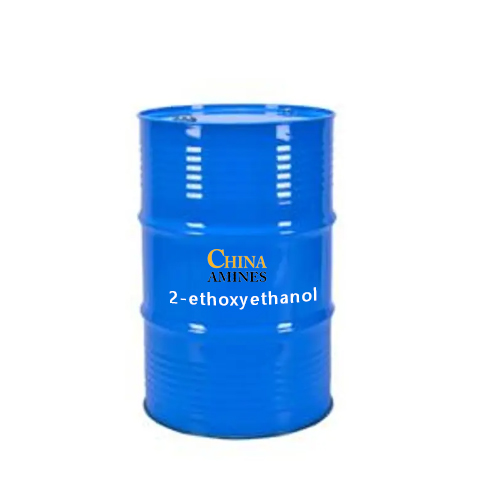
- Packaging: Supplied in sealed, solvent-compatible containers rated for flammable liquids
- Storage Conditions: Store in a cool (<30 °C), dry, well-ventilated area away from ignition sources, strong oxidisers, and metal contact
- Container Closure: Keep containers tightly closed when not in use to prevent vapour loss and contamination
- Shelf Life: Typically stable for 12–24 months under recommended conditions; monitor for discolouration or contamination