


Your Questions and Comments
Your sales and customer service desk partners within China Amines Co will continue to serve you. You can also contact us via our headquarter office-
Email:info@chinaamines.com
China Amines Co
Product Profile
Hydrogen Peroxide (H₂O₂)
CAS No.: 7722-84-1
Synonyms / IUPAC Name: Hydrogen peroxide, H₂O₂
Molecular Formula: H₂O₂
Molecular Weight: 34.01 g/mol
Appearance: Clear, colorless to slightly blue aqueous solution
Odor: Very faint, sharp odor
Physicochemical Properties (Typical)
- Density (pure): ~1.45 g/cm³ at 20 °C
- Melting / Freezing Point: ~−0.43 °C (pure)
- Boiling Point: 150.2 °C (pure)
- Solubility: Miscible with water in all proportions
- Vapour Pressure: Low for typical aqueous solutions; higher for pure peroxide
- Oxidising Property: Strong oxidiser; may intensify fire with combustible materials
- Stability: Decomposes into water and oxygen, especially when heated or in presence of catalysts
Purity & Quality Standards
- Concentration: Industrial grades ~27%, ~32–35%, and higher (~50–70%) solutions
- Appearance: Clear liquid, free from visible impurities or particulates
- Analytical Methods: Titration (permanganate or iodometric), spectroscopy; peroxide content and stabiliser levels controlled
- Documentation: Certificate of Analysis (COA) and Safety Data Sheet (SDS) provided per batch
Applications / Uses
- Bleaching agent in textile, paper, and pulp industries
- Oxidiser in chemical synthesis, wastewater treatment, disinfectants, and sterilisation
- Cleaning, etching, and surface processing in electronics and metallurgy
- Intermediate or reagent for environmental and industrial applications requiring strong oxidising action
Safety & Handling
- Classification: Oxidising liquid; may enhance fire of other materials
- Health Hazards:
- Eye Contact: Causes serious damage
- Skin Contact: May cause irritation or oxidation damage
- Inhalation: Vapours or aerosols may irritate respiratory tract
- Ingestion: Harmful; may cause internal damage
- Precautions:
- Use in well-ventilated area; avoid contact with combustible or reducing materials
- Wear chemical-resistant gloves, eye/face protection, and protective clothing
- Keep containers away from heat, sparks, open flame, and metal contaminants
- Reactivity / Incompatibilities: Catalysed decomposition by metals, strong bases/acids, or organic matter; mixing with combustible materials may lead to fire or explosion
- First Aid Measures:
- Inhalation: Move to fresh air; keep at rest; seek medical attention if symptoms persist
- Skin Contact: Rinse thoroughly with water; remove contaminated clothing
- Eye Contact: Rinse with water for several minutes; remove contact lenses if present; seek medical attention
- Ingestion: Rinse mouth; do not induce vomiting; seek immediate medical attention
Packaging & Storage
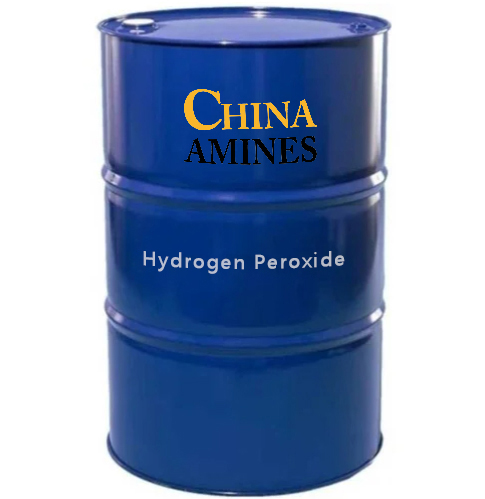
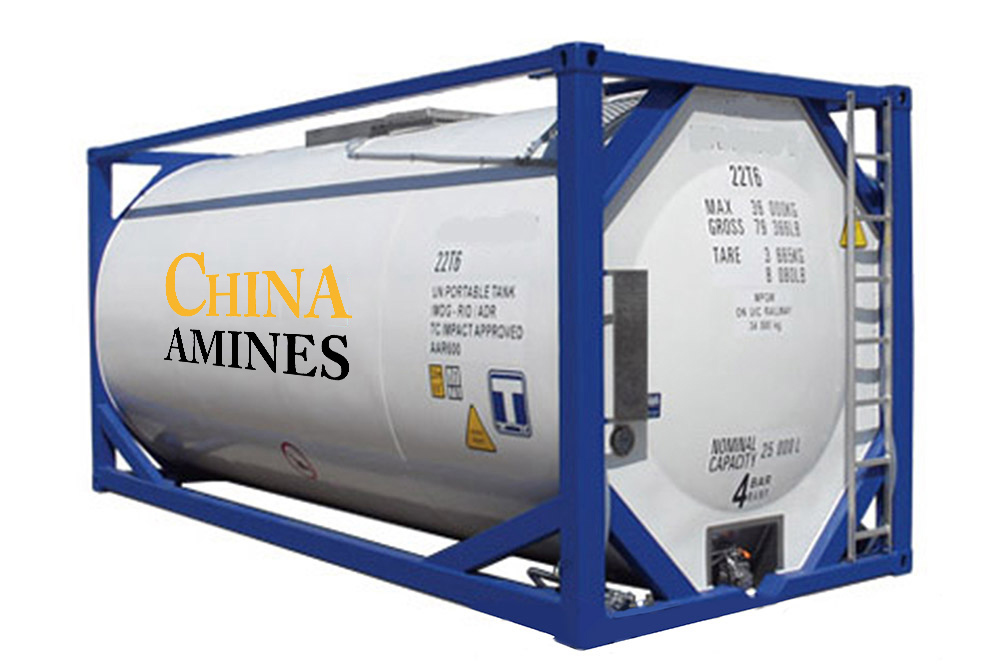
- Packaging: Containers compatible with oxidising liquids (e.g., lined drums, HDPE jerrycans)
- Storage Conditions: Cool, dry, well-ventilated area; away from sunlight, heat, and combustible materials
- Container Closure: Keep tightly closed; minimise exposure to contamination or decomposition catalysts
- Shelf Life: Typically 12–24 months under recommended conditions; depends on stabiliser content and storage environment