


Your Questions and Comments
Your sales and customer service desk partners within China Amines Co will continue to serve you. You can also contact us via our headquarter office-
Email:info@chinaamines.com
China Amines Co
Product Profile
Cyclohexanone
CAS No.: 108-94-1
Synonyms / IUPAC Name: Cyclohexanone; Pimelic ketone; Hexanon
Molecular Formula: C₆H₁₀O
Molecular Weight: ~98.14 g/mol
Appearance: Colourless to pale yellow oily liquid with an acetone- or peppermint-like odour.
Physicochemical Properties (Typical)
- Melting / Freezing Point: Approx. –47 °C (lit)
- Boiling Point: Approx. 155–157 °C at 1 atm
- Density: ~0.947 g/cm³ at 25 °C
- Solubility: Slightly soluble in water (~8.7 g/L at 20 °C)
- Vapour Density (Air = 1): ~3.4
- Flash Point (Closed Cup): ~44 °C
- Explosive Limits in Air: ~1.1% to ~9.4% by volume
Purity & Quality Standards
- Typical Purity: ≥ 99.0% by GC for high-grade solvent or intermediate use.
- Appearance: Clear, low colour (APHA ≤10), free from visible particulates or haze.
- Analytical Methods: Gas Chromatography for assay; moisture content and non-volatiles are also controlled.
- Stability: Stable under recommended storage conditions when kept away from ignition sources and strong oxidants.
Applications / Uses
- Intermediate for adipic acid and caprolactam production (precursors to nylon 6 and nylon 6,6).
- Industrial solvent for resins, waxes, fats, cellulose lacquers, cleaning agents, and metal degreasing.
- Used as reaction medium or starting material in specialty chemical synthesis.
Safety & Handling
- Highly flammable liquid and vapour — vapour heavier than air and may travel to ignition sources.
- Health Effects: Irritant to eyes, skin, and respiratory tract. High exposure may affect the central nervous system, liver, and kidneys.
- Exposure Limits: Typical TLV around 20–25 ppm for vapour in air.
- Precautions:
- Use only in well-ventilated areas or with local exhaust.
- Avoid heat, sparks, flames, and hot surfaces; ground and bond containers and equipment.
- Wear protective gloves, eye/face protection, and flame-resistant clothing.
- Store as a combustible liquid in appropriate flammable storage facilities.
- Reactivity / Incompatibilities: Avoid strong oxidizing agents; polymerization may occur under extreme conditions; vapour may form explosive mixtures with air.
Packaging & Storage
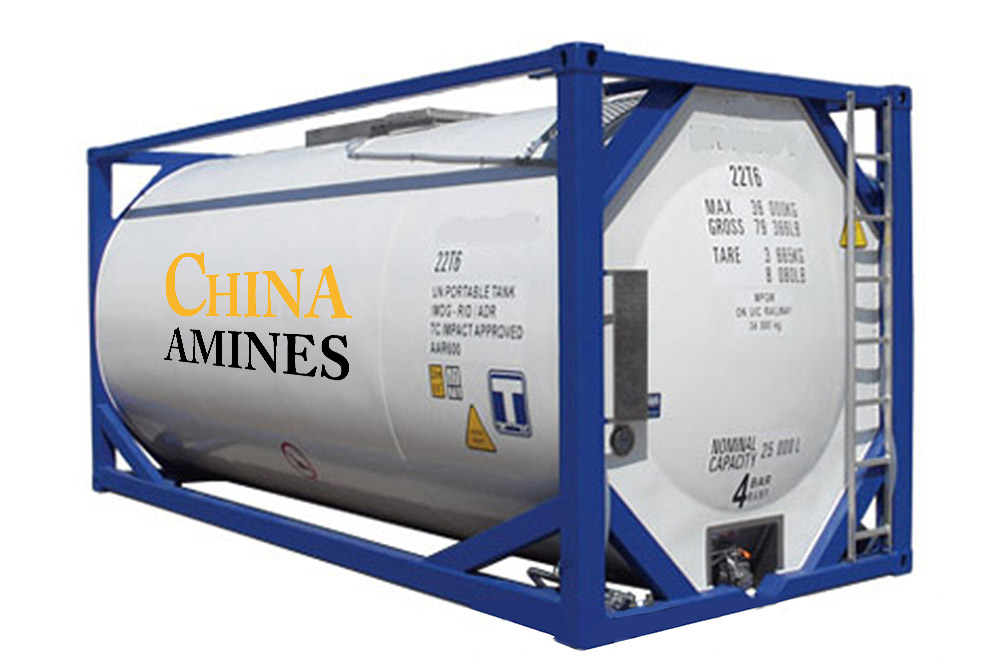
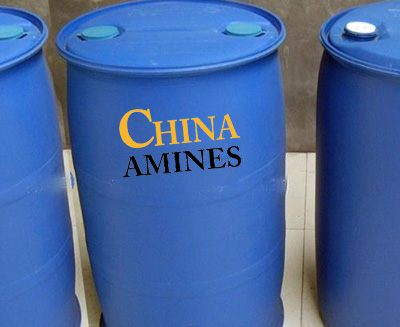
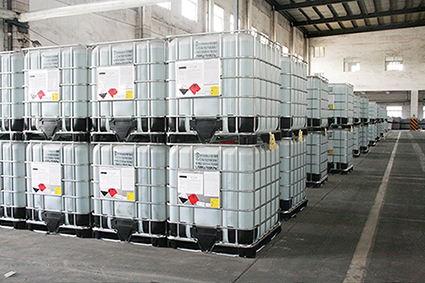
- Packaging: Supplied in sealed, solvent-compatible containers (metal drums or lined containers) suitable for flammable liquids.
- Storage Conditions: Store in a cool (< 30 °C), well-ventilated area away from ignition sources, direct sunlight, and incompatible materials. Keep containers tightly closed.
- Shelf Life: Stable under proper storage; check container integrity and appearance before long-term use.
- Transport: Classified as flammable liquid (UN 1915) under transport regulations.