

Your Questions and Comments
Your sales and customer service desk partners within China Amines Co will continue to serve you. You can also contact us via our headquarter office-
Email:info@chinaamines.com
China Amines Co
Product Profile
Isobutyl Acetate (Acetic Acid Isobutyl Ester)
CAS No.: 110-19-0
Synonyms / IUPAC Name: Isobutyl Acetate; Acetic acid isobutyl ester
Molecular Formula: C₆H₁₂O₂
Molecular Weight: ≈ 116.16 g/mol
Appearance: Clear, colourless liquid
Odour: Fruity/ester-like at low concentrations
Physicochemical Properties (Typical)
- Melting/Freezing Point: approx. -99 °C
- Boiling Point: approx. 115–118 °C (at 1 atm)
- Density (25 °C): around 0.867–0.875 g/mL
- Flash Point (CC): approx. 21–44 °C depending on grade
- Solubility: Slightly soluble in water (~6–9 g/L at 20 °C); miscible with many organic solvents
- Vapour Pressure: ~13–17 mmHg at 20 °C
- Explosive Limits (in air): Lower ~1.3–2.4% vol; Upper ~10.5% vol
Purity & Quality Standards
- Typical Purity: ≥ 99% by GC for high-grade applications
- Appearance: Clear and free from visible particles or haze
- Analytical Methods: Gas chromatography, moisture content, spectral verification
- Stability: Stable when stored under recommended conditions; keep away from heat and ignition sources
Applications / Uses
- Used as a solvent in coatings, inks, adhesives, lacquers, and nitrocellulose formulations
- Intermediate or excipient in flavour & fragrance manufacturing due to fruity ester odour
- Suitable for applications requiring moderate evaporation rate and good solvency power
Safety & Handling
- Classification: Highly flammable liquid and vapour
- Health Hazards:
- Inhalation: Vapours may cause dizziness or drowsiness
- Skin Contact: May cause drying or cracking with repeated exposure
- Eye Contact: Causes serious eye irritation
- Precautions:
- Use in well-ventilated areas; avoid ignition sources
- Wear protective gloves, eye/face protection, and flame-resistant clothing
- Ground and bond containers and equipment during transfer
- Reactivity / Incompatibilities:
- Avoid strong oxidisers; vapour may form explosive mixtures with air
- Keep containers tightly sealed when not in use
- First Aid Measures:
- Inhalation: Move to fresh air; keep at rest; seek medical advice if symptoms persist
- Skin Contact: Wash with soap and water; remove contaminated clothing
- Eye Contact: Rinse cautiously with water for several minutes; seek medical attention if irritation continues
- Ingestion: Rinse mouth; do not induce vomiting; obtain medical attention
Packaging & Storage
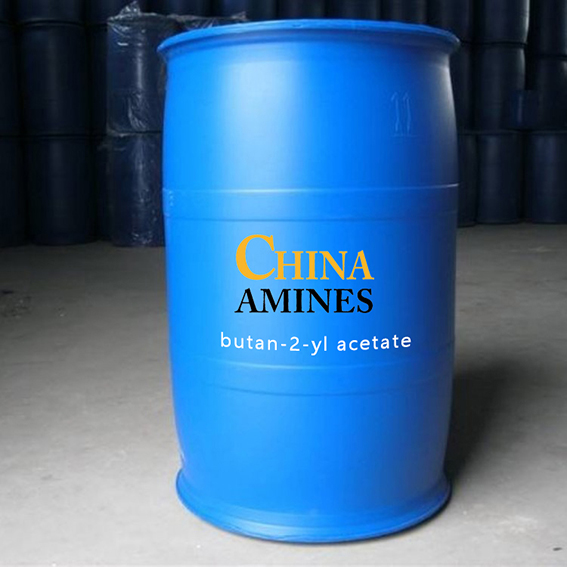
- Packaging: Supplied in sealed solvent-compatible containers suitable for flammable liquids
- Storage Conditions: Store in a cool (<30 °C), dry, well-ventilated area away from direct sunlight, ignition sources, and incompatible materials
- Container Closure: Keep tightly closed when not in use to prevent vapour release and contamination
- Shelf Life: Generally stable for 12–24 months under recommended conditions; inspect for colour change or contamination before use