

Aqueous Dimethylamine: When a Composite Sample Can Hide Container Differences
2026-11-12
China Amines Co., Limited
A laboratory report showing an acceptable DMA concentration may answer an important question—but which question?
For buyers discussing aqueous dimethylamine with China Amines, the distinction between a shipment average and individual-container quality should be clear before testing begins. An average can be mathematically correct while leaving a purchasing question unanswered.
Define What the Result Should Represent
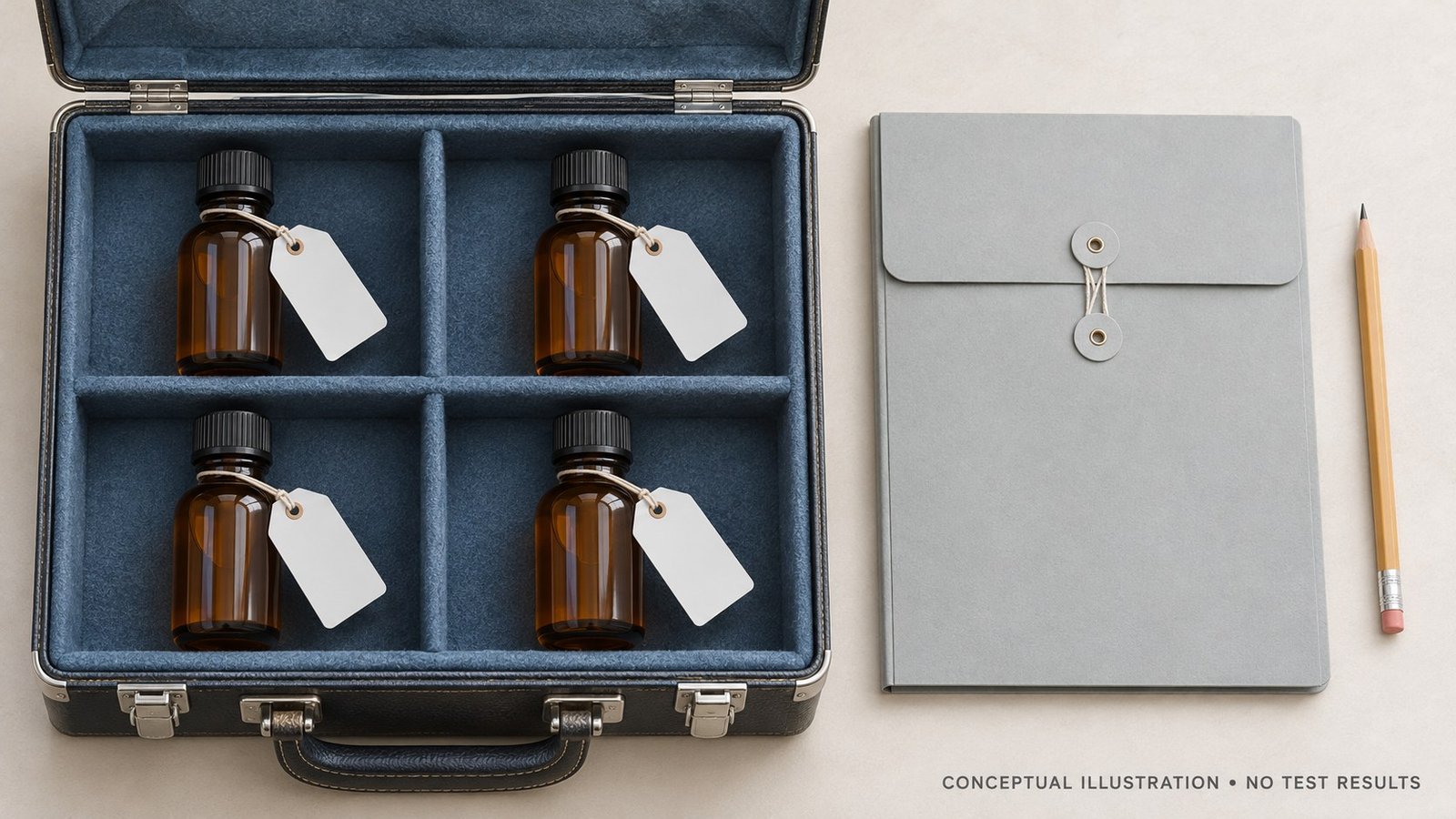
A composite sample combines material from multiple sample increments for analysis. An individual sample preserves a separate result for the unit or location sampled.
Eurachem emphasizes that sampling belongs within the measurement process when the intended result concerns a larger sampling target, rather than only the sample delivered to the laboratory. The target might be a defined production batch, shipment, or selected container.
These targets are not interchangeable. A precise laboratory measurement cannot, by itself, establish that the sampling plan represents the intended population.
How Averaging Can Conceal a Difference
Consider a hypothetical mathematical example. Two solutions contain 39.0% and 41.0% DMA by mass. If equal masses were combined without loss, reaction, or other compositional change, the resulting mass fraction would be:
(39.0% + 41.0%) ÷ 2 = 40.0%
That result would not show that either original solution contained 40.0% DMA.
These figures illustrate averaging; they are not China Amines specifications or actual shipment results. Unequal mass contributions would require a weighted calculation.
EPA’s environmental sampling guidance explains the underlying limitation: compositing can support estimation of a mean while losing information about individual samples and variability. That guidance illustrates a general sampling principle; it is not a DMA product-sampling procedure.
Match the Plan to the Acceptance Question
If the agreed requirement concerns a batch average, a properly justified composite approach may be relevant.
If the concern is variation between containers, separate results from the units selected under an appropriate plan provide information that a single pooled result cannot retain. Testing selected containers still does not establish the condition of every untested container.
Before shipment, buyer and supplier should agree on:
- The batch or containers covered by the result.
- Whether acceptance concerns an average or individual units.
- The sampling plan and analytical method.
- The information required when results differ.
- The decision rule for acceptance or further investigation.
The number of samples should follow the purpose and justified sampling design. “One sample because there is one purchase order” is convenient administration, but it is not a sampling rationale.
Preserve Composition and Traceability
Sample collection, preparation, and transport can affect measurement reliability. Eurachem’s guidance treats these steps as part of the broader measurement process.
For aqueous DMA, the site’s qualified personnel should assess the procedure against the product-specific SDS and operating conditions. Its volatility and hazards make informal opening and pooling unsuitable as a casual receiving check.
Reports should identify what was sampled and whether the result came from an individual or composite sample. That context helps customers interpret a satisfactory result within its actual scope.
About China Amines
For aqueous dimethylamine inquiries, contact China Amines Co., Limited through www.chinaamines.com. Include concentration, quantity, destination, intended industrial use, and any specific sampling, traceability, or acceptance requirements.